The Smart & Sustainable: Youth vs Fast Fashion youth exchange brought together motivated young people from Slovakia, Poland, Romania and Bulgaria for an inspiring international experience focused on sustainability, responsible consumption, creativity and digital innovation. Throughout the project, participants explored one of the most visible environmental and social challenges connected to our everyday lives: fast fashion. Through non-formal education, interactive workshops, simulation activities, creative challenges and digital tools, young people had the opportunity to look beyond the clothes they wear and discover the wider impact of the fashion industry on people, communities and the environment. At the same time, the project was about much more than fashion. It encouraged participants to question their everyday habits, develop new skills and discover how individual choices and collective action can contribute to a more sustainable future.
Building an International Team
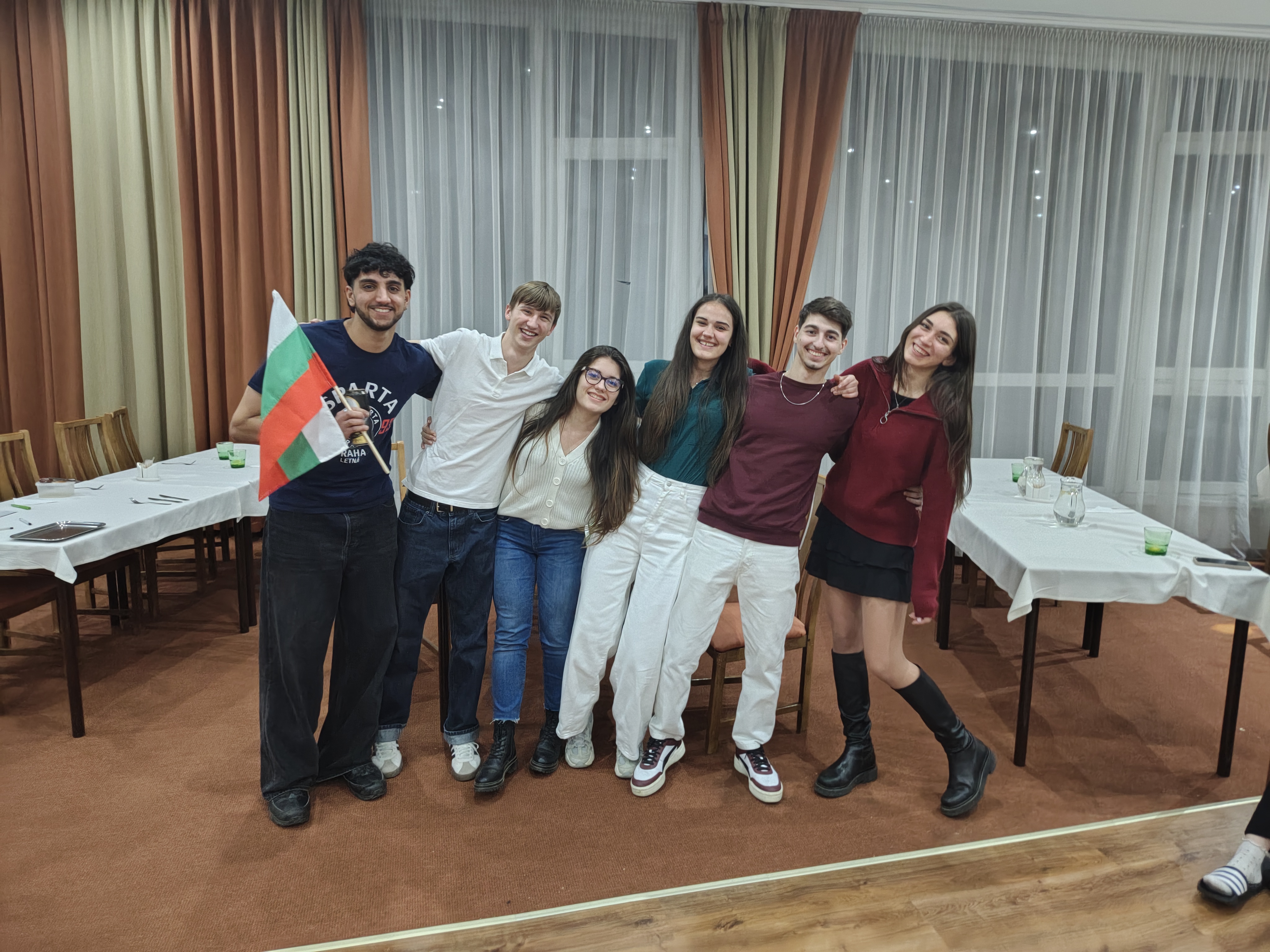
The exchange began by creating a welcoming and cooperative atmosphere among participants from four different countries. Through teambuilding activities, energisers and interactive group challenges, participants quickly got to know each other and started building trust within the international group. Working with people from different cultural and social backgrounds encouraged participants to communicate beyond language barriers, listen to different perspectives and cooperate with people they had only recently met. These first activities created an important foundation for the rest of the exchange. Participants gradually became more comfortable expressing their opinions, discussing environmental and social issues and contributing their own experiences and ideas. What started as a group of young people from different countries soon developed into an international team united by curiosity and a shared interest in creating positive change.
Discovering the Reality Behind Fast Fashion
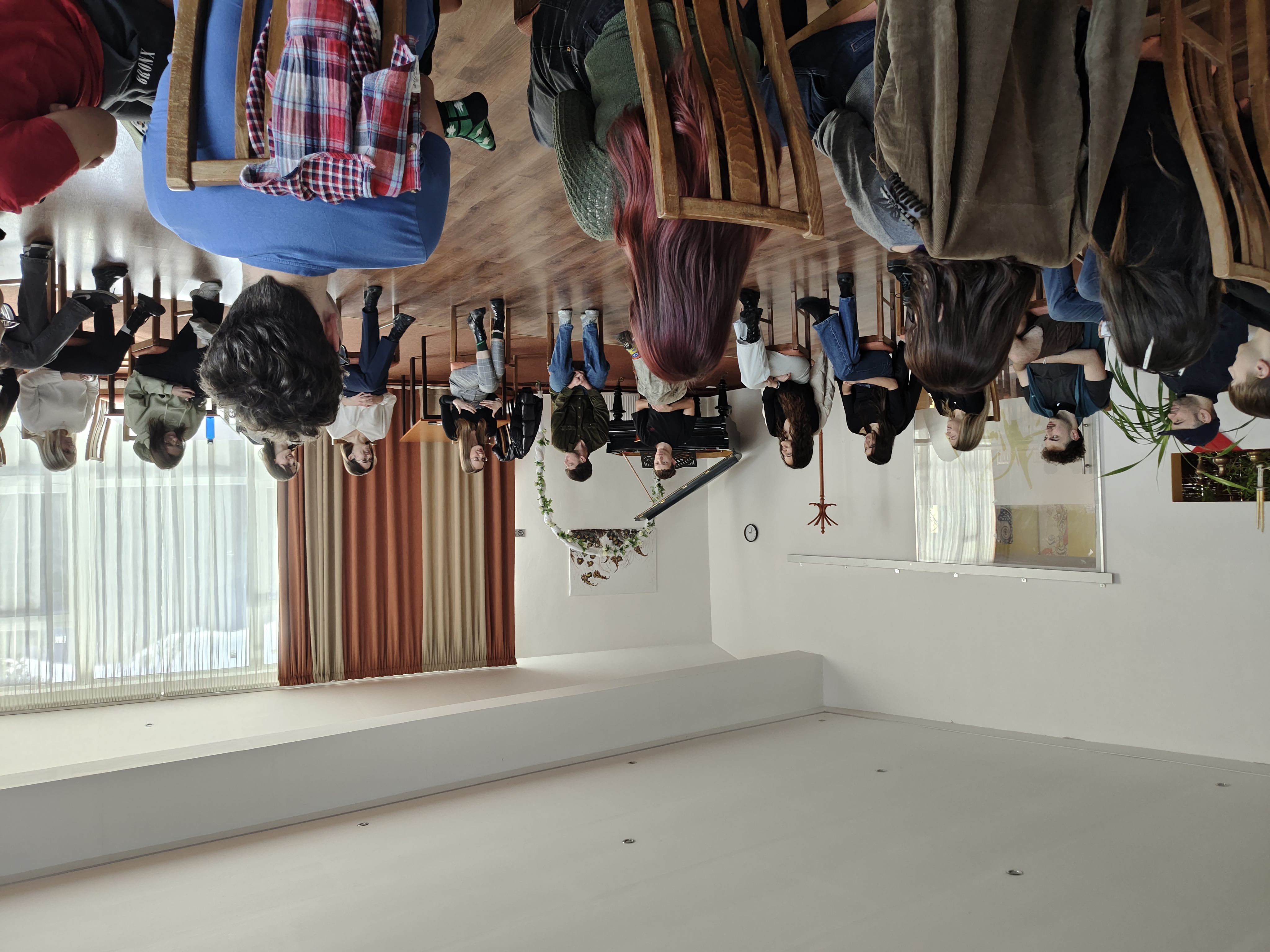
One of the main objectives of Smart & Sustainable was to encourage participants to look more critically at the fashion industry and their own consumption habits. Clothing is something we interact with every day, yet the journey behind a T-shirt, pair of jeans or jacket can easily remain invisible to the person buying it. During interactive workshops and discussions, participants explored the environmental and social dimensions of fast fashion and considered the consequences of a culture based on rapidly changing trends and constant consumption. Instead of simply being told what sustainable fashion means, participants were encouraged to investigate, discuss and question the system themselves. They reflected on their shopping habits, the lifespan of clothing and the difference between buying something because it is genuinely needed and buying because trends encourage constant replacement. These conversations helped connect a large global issue with simple decisions made in everyday life.
Learning Through Simulation and Experience
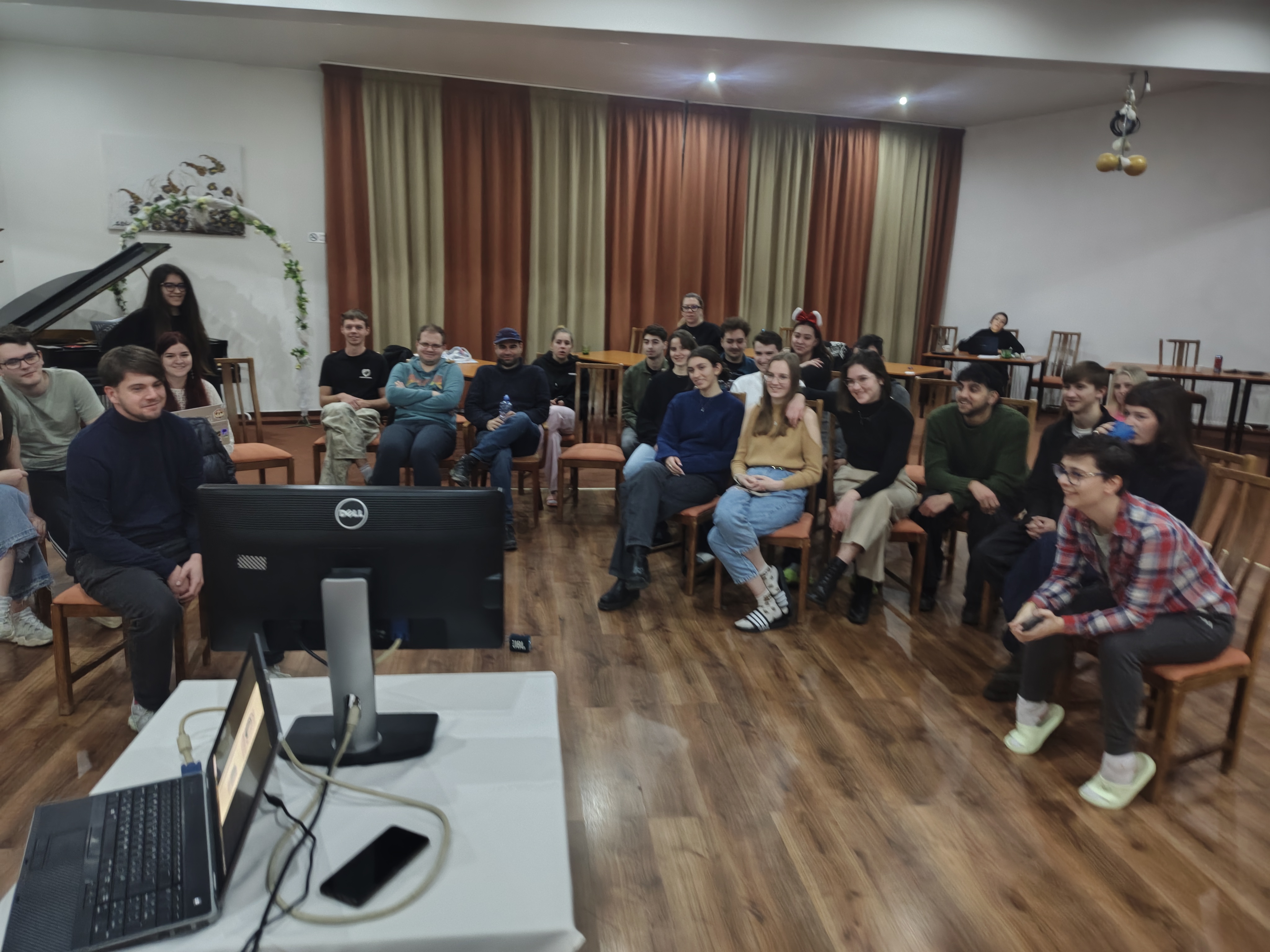
Non-formal education played an important role throughout the youth exchange. Rather than relying on traditional lectures, the programme used interactive workshops, simulation games, discussions and teamwork to help participants understand complex topics through direct experience. Simulation activities allowed participants to examine different perspectives connected to fashion, production and consumption. Working together, they had to make decisions, discuss possible consequences and consider how environmental, economic and social interests can sometimes conflict. This approach made learning more engaging while encouraging critical thinking. Participants were not expected simply to memorise information. They were encouraged to form their own opinions, challenge assumptions and search together for practical alternatives.
From Fast Fashion to Responsible Consumption
An important part of the exchange was discovering that sustainability does not necessarily mean giving up fashion or personal style. Instead, participants explored how people can develop a healthier and more responsible relationship with clothing. Discussions focused on alternatives to constant consumption, including extending the life of clothes, repairing and reusing items, exchanging clothing and thinking more carefully before purchasing something new. Participants considered a simple but important question: Does every new outfit really have to be new? By looking at clothing as a resource rather than a disposable product, young people discovered how creativity can become part of sustainable consumption. An old item can be repaired, redesigned, exchanged or given a completely different purpose instead of immediately becoming waste.
Giving Clothes a Second Life
One of the practical ideas explored during Smart & Sustainable was the concept of clothes swapping. Instead of throwing unwanted clothing away or purchasing something new, clothes exchanges allow people to give items they no longer use to someone who will appreciate them. As part of the project, participants worked with the idea of a community clothes-swap event, demonstrating that sustainable choices can also be social, accessible and enjoyable. The activity encouraged participants to reconsider the value of the clothes already sitting in their wardrobes. A piece of clothing that one person no longer wears may become someone else's favourite item. Through this approach, participants discovered how local community initiatives can offer simple alternatives to unnecessary consumption while bringing people together around sustainability.
Using Artificial Intelligence for Positive Change
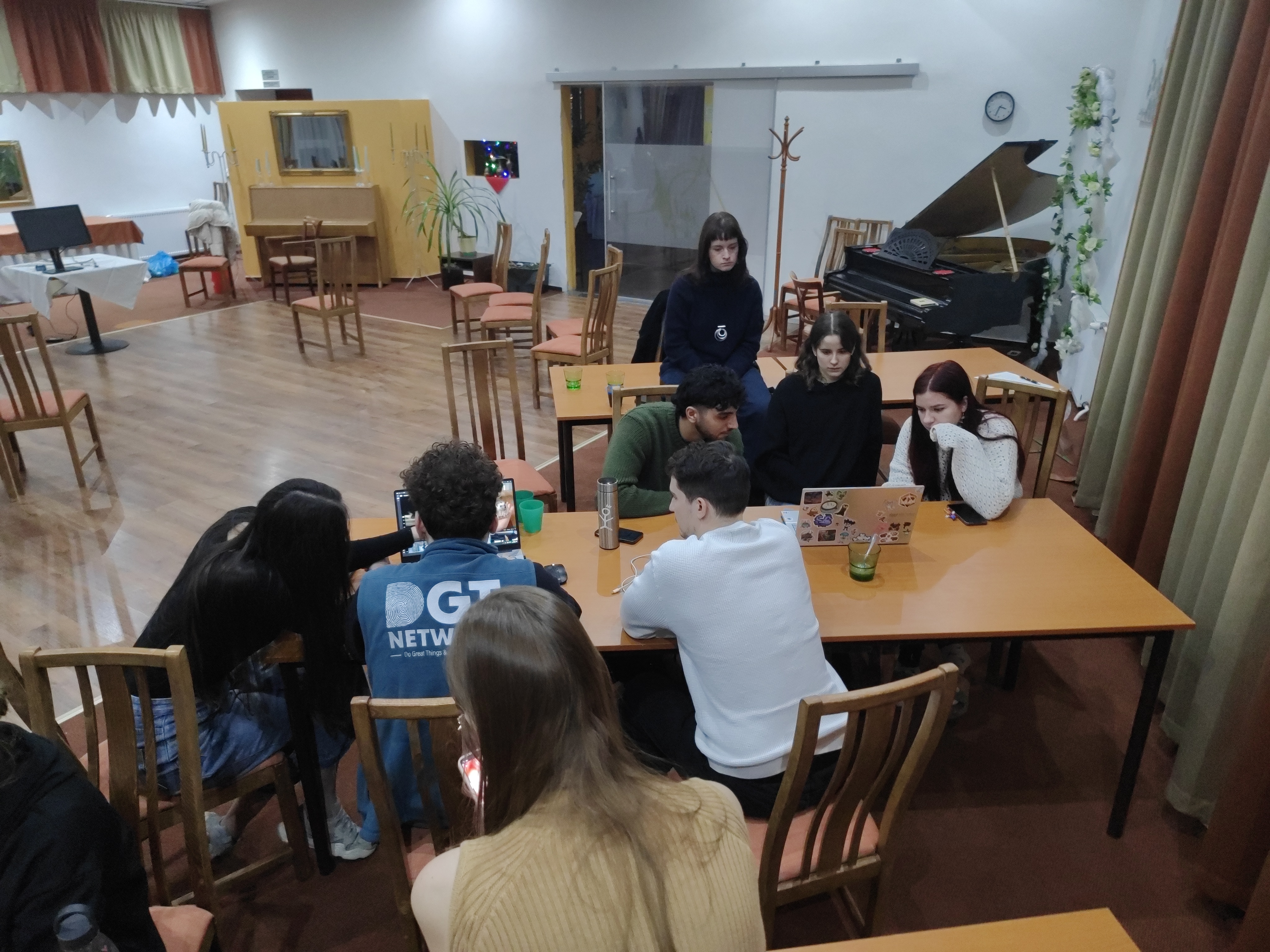
Digital innovation was another important element of Smart & Sustainable. Participants explored AI-based tools and discovered how emerging technologies can support environmental education, creativity and communication. Working in international teams, young people experimented with digital tools while developing ideas for awareness campaigns related to fast fashion and sustainable consumption. Artificial intelligence became a tool for turning information into engaging visual and digital communication. At the same time, participants strengthened their digital competences and learned how technology can be used purposefully—not simply for entertainment, but also for raising awareness and encouraging people to think about important social and environmental topics. Combining sustainability with digital creativity showed that environmental education can evolve together with technology and reach young audiences in new ways.
Creating Awareness Campaigns
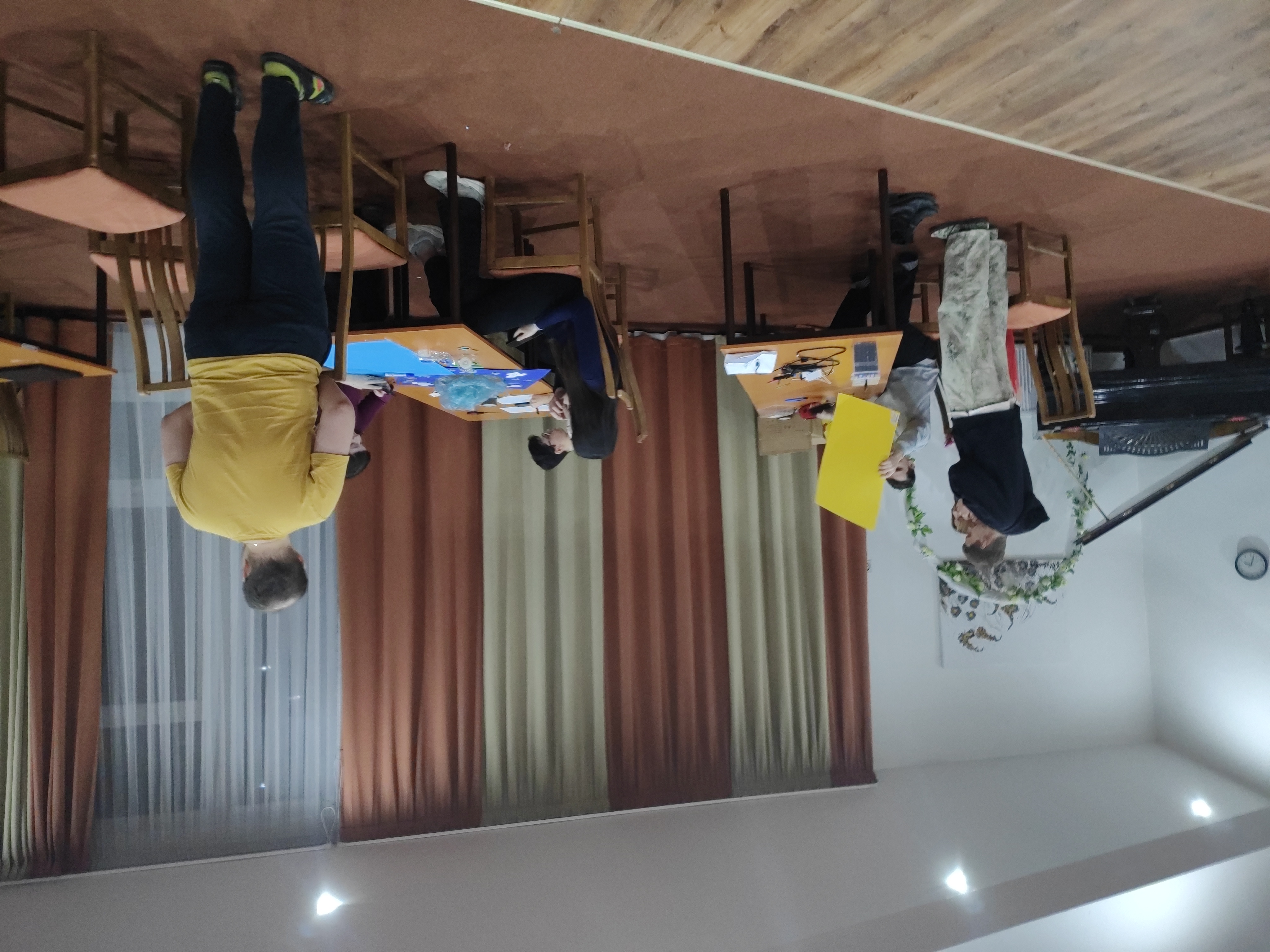
Knowledge becomes more powerful when it is shared. For this reason, participants transformed what they had learned during the exchange into awareness campaigns designed to communicate the problems connected with fast fashion and promote more responsible alternatives. Working together required participants to decide which messages were most important and how complicated environmental topics could be communicated in an understandable and attractive way. This process combined creativity, teamwork and digital skills. Participants became not only learners but also communicators capable of sharing sustainability messages with other young people and their communities. The campaigns demonstrated that young people can play an active role in environmental education and that creative communication can make complex global challenges easier to understand.
Developing Green, Digital and Social Skills
Smart & Sustainable was designed not only to increase awareness but also to give participants competences they could continue using after returning home. Environmental activities strengthened their understanding of sustainability and responsible consumption. Digital activities introduced new possibilities for using AI and creative technologies. International teamwork developed communication, leadership, problem-solving and cooperation skills. Working in multicultural teams also required flexibility and openness. Participants learned to listen to different opinions, divide responsibilities, solve disagreements and combine different ideas into common results. These skills extend far beyond the topic of sustainable fashion. They are valuable for education, employment, volunteering and active participation in community life.
Learning from Different Cultures
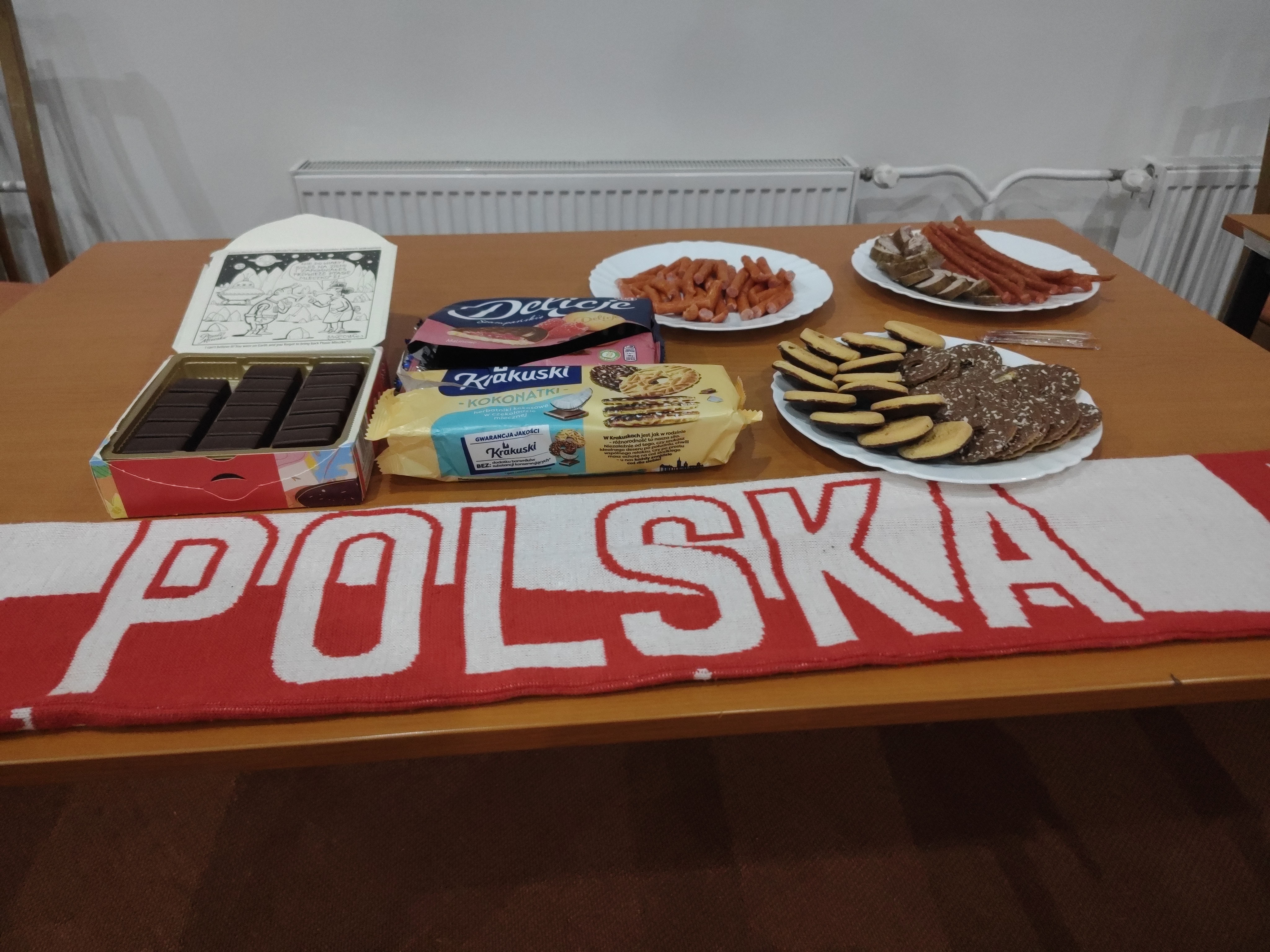
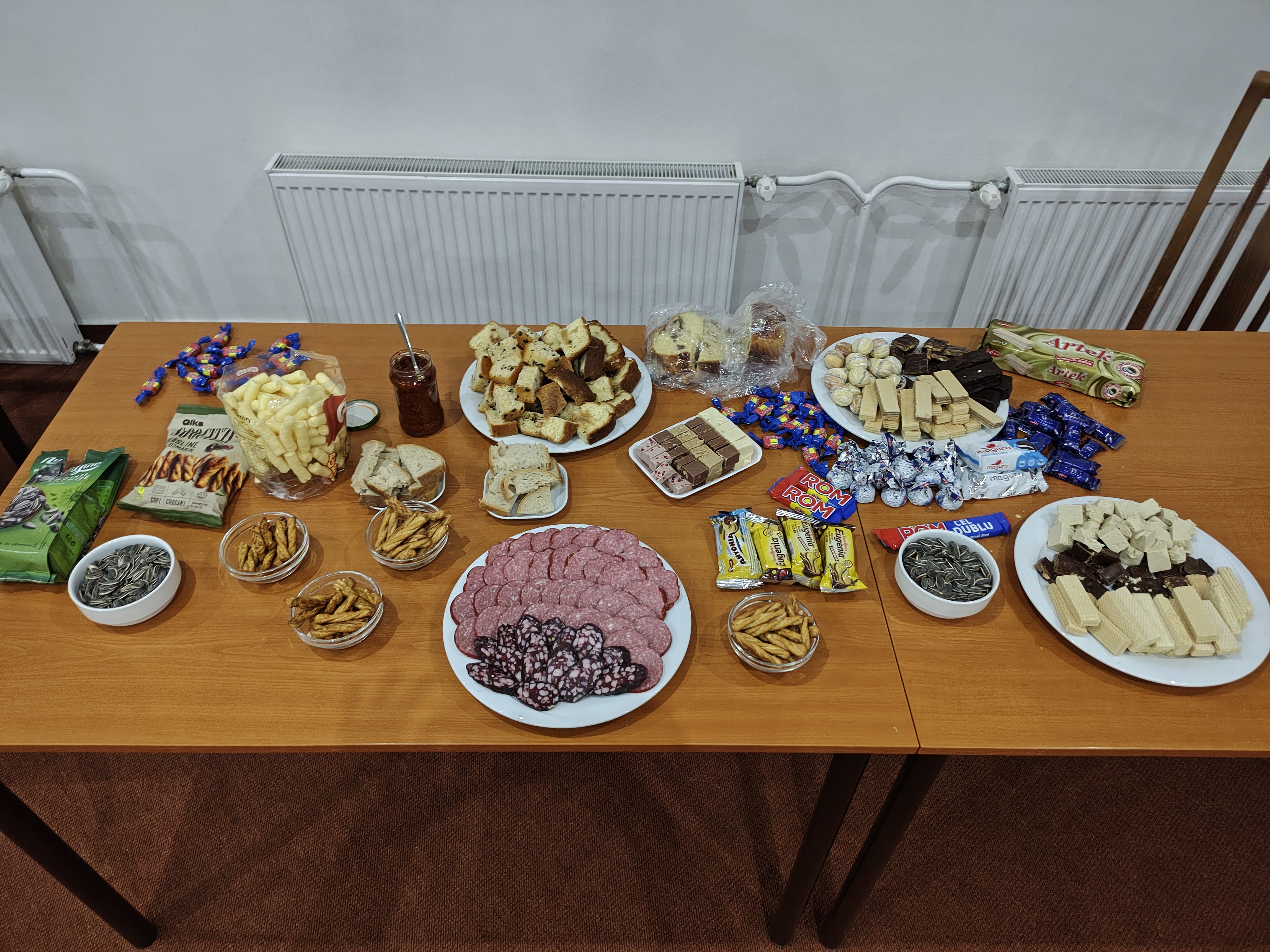
An Erasmus+ youth exchange is also an opportunity to discover Europe through the people who live there. Participants from Slovakia, Poland, Romania and Bulgaria had the chance to introduce their cultures, traditions and everyday realities to one another through intercultural activities and informal moments throughout the project. Food, music, games, traditions and conversations created opportunities to discover both differences and similarities between the participating countries. The intercultural dimension of the project helped create an environment based on curiosity, respect and openness. Living, learning and working together also challenged stereotypes. Instead of learning about another country through a screen or textbook, participants could hear directly from people their own age and build friendships across national borders.
Turning Ideas into Community Action
One of the most important messages of Smart & Sustainable was that awareness should lead to action. Global challenges such as overconsumption and environmental degradation can sometimes appear too large for individuals to influence. The project therefore focused on practical actions that young people can introduce within their own lives and communities. Choosing clothing more consciously, extending the lifespan of existing items, organising clothes swaps, sharing information and encouraging friends and family to reconsider their consumption habits may appear to be small steps. When these actions are repeated across communities, however, their impact can grow. Participants were encouraged to see themselves not simply as consumers but as active citizens capable of influencing the environments and communities around them.
Celebrating New Year Through International Cooperation
Taking place from 27 December 2025 to 4 January 2026, Smart & Sustainable also offered participants a unique opportunity to enter a new year surrounded by an international community. While people from four countries arrived with different languages, experiences and traditions, they shared the same programme, challenges and learning journey. The timing gave the exchange an additional symbolic dimension. A new year often represents new beginnings, and the project encouraged participants to think about which habits they wanted to change—not only individually, but also as members of a generation facing shared environmental challenges. The experience demonstrated that sustainability can begin with everyday decisions and that change becomes easier when people support and inspire one another.
A Project with Lasting Impact
Smart & Sustainable: Youth vs Fast Fashion combined environmental education, digital innovation, creativity and intercultural learning into one meaningful youth exchange. Participants gained a deeper understanding of the environmental and social questions surrounding fast fashion while exploring practical alternatives based on responsible consumption, reuse and community action. Through workshops, simulation games, AI-supported digital activities and collaborative campaigns, they developed green, digital and social competences that can continue to support their personal and professional development. More importantly, the exchange encouraged participants to recognise their own ability to contribute to change. Sustainability is not determined only by governments, companies or large organisations. It is also shaped by millions of everyday choices: what we purchase, how long we use it, what we throw away and what we decide to give a second life. By bringing together young people from Slovakia, Poland, Romania and Bulgaria, Smart & Sustainable demonstrated the value of international cooperation in addressing challenges that do not stop at national borders. Participants returned home not only with new knowledge and skills, but also with new friendships, international experiences and ideas they can share within their own communities. The project showed that being smart and sustainable is ultimately about learning to look differently at the things around us—questioning what we consume, understanding its impact and recognising that positive change can begin with something as ordinary as the clothes we choose to wear.